
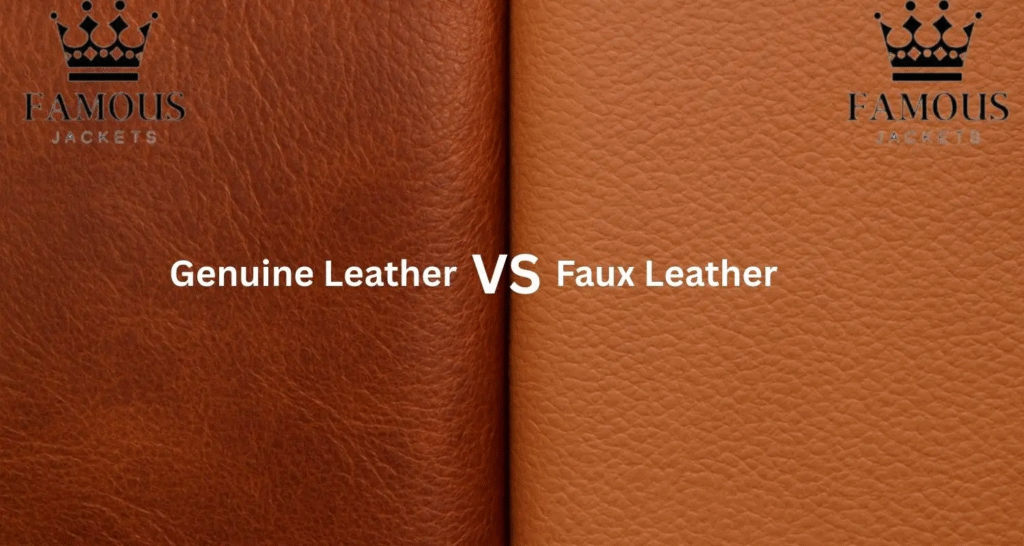
When it comes to the purchase of fashion accessories like handbags, jackets and shoes which also includes home decor pieces like sofas and chairs the great issue is that between what to get in fake or real leather. At first they may look the same but in fact these two materials are very different in terms of price, wear and tear, comfort and also their environmental impact. To help you out in your decision we will go into great detail of the pro and con of each.
What is Genuine Leather?
Natural leather is a product of real animal skin which mostly that of a cow and is known for its natural look and feel as well as durability. What you get is a product that is unique to each piece as no two are the same which adds to its premium appeal. Also it develops over time a soft sheen or patina which in turn makes it even more attractive a feature which synthetic materials are unable to reproduce.
Pros of Genuine Leather:
Genuine leather has great durability which is its best feature. With proper care leather products may last for decades which in turn makes them a great investment. Also leather is a natural breathible material which in turn makes it a comfortable wear in jackets and shoes as it changes to body temperature. Also a very attractive feature is the patina that develops with age which gives leather a rich vintage look which only gets better with time. Also a Genuine Leather Jacket has that classic luxurious feel which synthetic options just can’t reproduce.
Cons of Genuine Leather:
Genuine leather has its issues. It is typically more expensive which in turn limits its appeal to many consumers. Also it requires consistent care like conditioning and cleaning to which the leather may not respond well or at all. Also being of animal origin many people see it as not eco or cruelty free which in turn makes it a no go for the green and animal rights set. Also it is heaver which in some products is a minus point.
What is Faux Leather?
Faux leather also goes by the names of PU leather, synthetic leather, or vegan leather. It is made from plastic based materials like polyurethane or PVC. This material is put forward as a leather alternative which does not use animal hides thus is an option for the cruelty free consumer. What we see today is that fake leather is a very versatile material which through modern production methods is made in many styles, textures and finishes which puts it into play in the fashion and furniture industries.
Pros of Faux Leather:
Faux leather we see as very budget friendly option which is more affordable than real leather and therefore is a choice for a larger audience. Also in terms of design it has a lot to offer in terms of color, finish and texture which in turn gives consumers the ability to play around with different looks beyond what natural leather has to offer. Also it is a lighter product which is easy to care for, which is great for furniture and accessories that you want to keep looking their best on a daily basis. Also we see the appeal in that it is made without animal products which makes it a choice for people following a vegan lifestyle or into ethical products.
Cons of Faux Leather:
Faux leather also goes by the names of PU leather, synthetic leather, or vegan leather. It is made from plastic based materials like polyurethane or PVC. This material is put forward as a leather alternative which does not use animal hides thus is an option for the cruelty free consumer. What we see today is that fake leather is a very versatile material which through modern production methods is made in many styles, textures and finishes which puts it into play in the fashion and furniture industries. A faux leather jacket is one of the most popular examples of its use in fashion.
How to tell Real from Faux Leather:
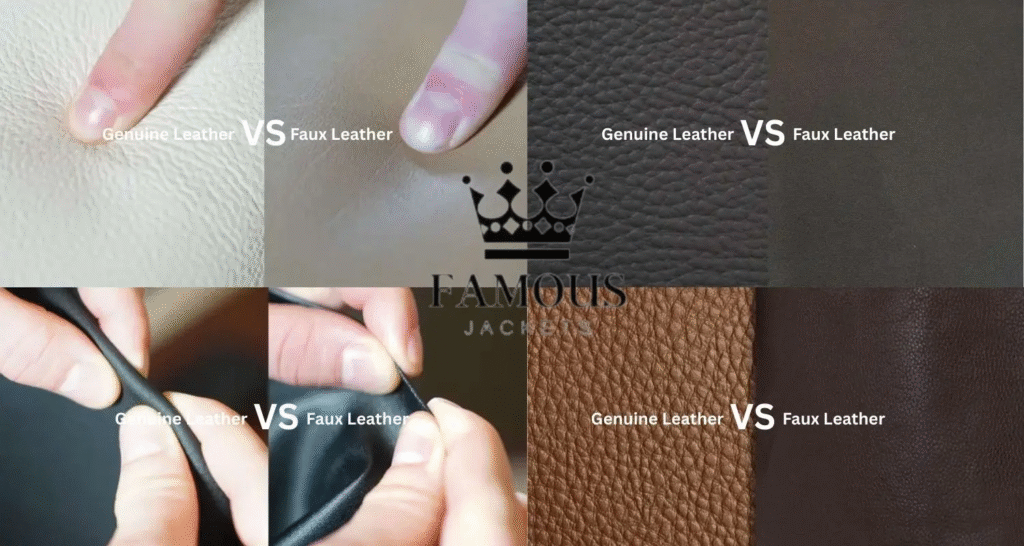
Genuine leather has imperfect peeling of the skin which is seen in the form of uneven and irregular pores, on the other hand faux leather has a consistent look in its surface pattern. Also with the bend test we see that real leather will very slightly wrinkle as it is bent, but faux leather will not flex at all.
Legacy of Leather and Faux Leather:
Leather is a material which has had a very long history that goes back many thousands of years; in early civilizations animal hides were used for clothing, shelter, and tools. In truth leather has at all times represented strength, durability and craftsmanship. As for what we today call fake leather, it is a relatively recent introduction to the market in the early 20th century when products such as Naugahyde which the US saw the birth of in the 1920s came onto the scene as a budget and animal friendly option. Since then we have seen improvements in polyurethane (PU) and PVC which have improved the quality of fake leather and which now see it become a very strong competitor to natural leather in the fields of modern fashion, furniture and accessories.
FAQs about Faux and Real Leather.
1. What is the difference between vegan and faux leather?
Both in the same sense. What we term as vegan leather is the same as fake leather which also means to say that it is free of animal products.
2. Which is the better choice, genuine or faux leather?
It depends on what you are looking for. If you are after durability and luxury go for the real leather, but if you are after affordable and trendy options then go for the faux.
3. What is the issue with faux leather?
Faux leather doesn’t have the same durability, it doesn’t develop a natural patina, also is not as breathable and at times looks artificial.
4.How long does faux leather wear?
Good which is the best grade of fake leather may wear for 3-5 years if cared for properly but in contrast natural leather may last for decades.
5. Is all that is presented leather?
No, what we have is not real leather. We have synthetic materials like polyurethane or PVC.
6. How do you tell real from fake leather?
Check out the touch, the smell, and the pores. Real leather is softer, has a musty smell, and is irregular in pores, while faux leather is smooth and more even.
7. Is real leather which is better for the environment?
Faux leather is a choice for those that wish to avoid animal welfare issues; but it is also made from plastic which does not break down easily. On the other hand, natural leather is a product of sustainable farming, yet the process of livestock rearing also has it’s environmental downsides.
8. Which designer developed faux leather?
In the 1920’s the first of what we today term fake leather came out of a U.S. laboratory as a man made alternative to natural leather.
Final Thoughts:
Both in the faux and the real leather categories there are pros and cons. If what you are after is durability and luxury look then go for the real leather. But if you are after a pocket friendly, trendy and also animal friendly option then faux leather is what you are looking for. In the end the choice is based on your budget, values, and lifestyle.